The Dawn of a New Era in Wearable Technology
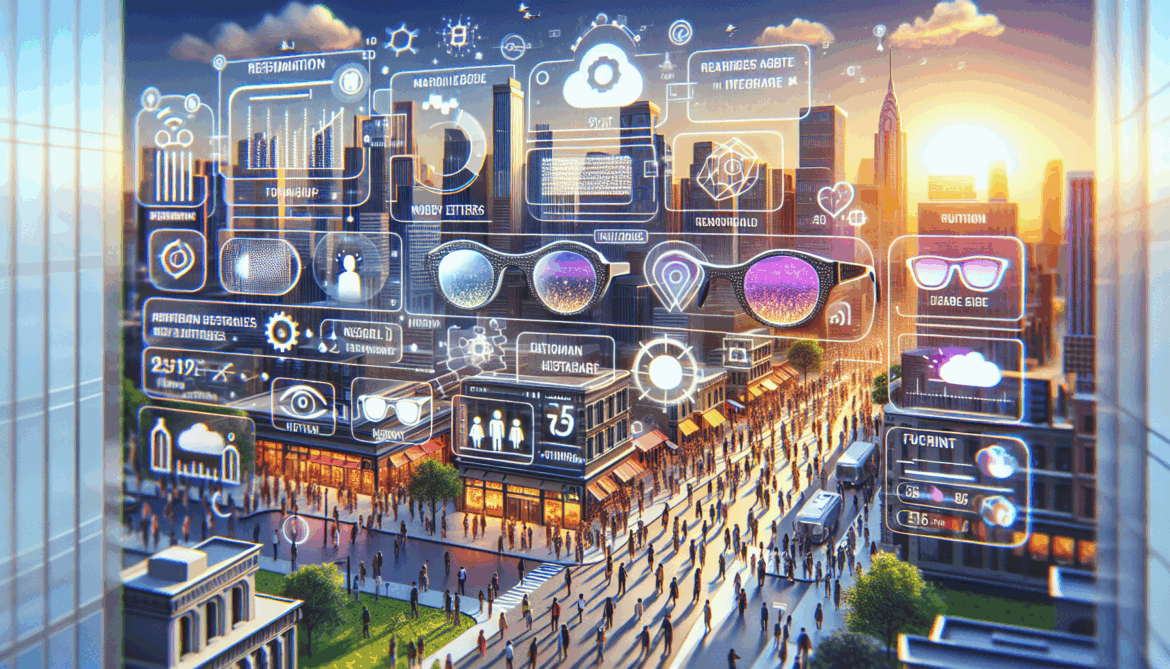
Imagine walking down a bustling city street, and as you look around, real-time information about nearby restaurants, historical landmarks, and even the current weather pops up in your field of vision. This isn’t a scene from a sci-fi movie; it’s the reality that AI-powered smart glasses are bringing to life. The rise of these innovative devices marks a significant leap forward in wearable technology, merging the physical and digital worlds in ways that were once unimaginable.
From Sci-Fi to Reality: The Evolution of Smart Glasses
The concept of smart glasses isn’t new. It has been a staple in science fiction for decades, with movies like “Terminator” showcasing characters with enhanced vision capabilities. However, it wasn’t until the early 2010s that this technology began to transition from fiction to reality. Google Glass, launched in 2013, was one of the first mainstream attempts at bringing smart glasses to the public. Despite its initial hype, Google Glass faced significant privacy concerns and a lack of compelling use cases, leading to its eventual withdrawal from the consumer market.
Since then, the technology has evolved significantly. Today’s AI-powered smart glasses are not just about displaying information; they integrate artificial intelligence to provide a more personalized and interactive experience. These devices can recognize faces, translate languages in real-time, and even offer augmented reality (AR) experiences that blend digital information seamlessly with the real world.
The Technology Behind AI-Powered Smart Glasses
At the heart of these smart glasses is a suite of advanced technologies that work together to create a seamless user experience. High-resolution cameras capture the world in front of the user, while sophisticated AI algorithms process this data to identify objects, people, and text. Microphones and speakers enable voice commands and audio feedback, allowing for hands-free operation.
The integration of machine learning models allows these devices to learn from the user’s behavior, improving their performance over time. For instance, if a user frequently visits a particular coffee shop, the smart glasses might start displaying the shop’s menu and current promotions as soon as the user approaches it. This level of personalization is what sets AI-powered smart glasses apart from their predecessors.
Applications and Use Cases
The potential applications of AI-powered smart glasses are vast and varied. In the healthcare industry, doctors can use these devices to access patient information and medical records in real-time during consultations, enhancing their ability to provide accurate diagnoses and treatments. In education, teachers can use smart glasses to display interactive lessons and virtual field trips, making learning more engaging and immersive for students.
For travelers, these glasses can act as a personal guide, providing directions, translating foreign languages, and even suggesting local attractions based on the user’s interests. In the manufacturing sector, workers can use smart glasses to access real-time instructions and safety protocols, improving efficiency and reducing the risk of accidents.
Challenges and Considerations
Despite their promising potential, AI-powered smart glasses face several challenges that need to be addressed. Privacy concerns are at the forefront, as these devices can capture and process sensitive information about individuals without their consent. Ensuring that this data is handled securely and ethically is crucial for gaining public trust and acceptance.
Another challenge is the need for a robust ecosystem of apps and services that can fully leverage the capabilities of these devices. Without a rich selection of applications, smart glasses risk becoming just another novelty gadget rather than a transformative technology.
Battery life is also a significant concern, as the power demands of running AI algorithms and displaying AR content can quickly drain the device’s battery. Manufacturers are working on improving energy efficiency and developing longer-lasting batteries to address this issue.
The Future of AI-Powered Smart Glasses
As we look to the future, the potential of AI-powered smart glasses is truly exciting. With ongoing advancements in AI and AR technology, these devices are poised to become even more powerful and versatile. We can expect to see new features like gesture control, more advanced object recognition, and even integration with other smart devices to create a truly interconnected ecosystem.
The key to the success of smart glasses will be their ability to seamlessly integrate into our daily lives, providing value without being intrusive. As developers continue to refine the technology and address the challenges, we may soon find ourselves living in a world where the line between the digital and physical blurs, and our glasses become our window to an enhanced reality.