In the ever-evolving world of social media, a new phenomenon has emerged: AI-powered influencers. These digital entities, created and managed by artificial intelligence, are blurring the lines between reality and fiction. As they gain popularity and even secure brand deals, a pertinent question arises: are these AI influencers real or fake? Let’s delve into this intriguing topic and explore the implications for our digital culture.
The Emergence of AI Influencers
AI influencers have been making waves in recent years, captivating audiences with their seemingly perfect lives and appearances. These digital beings are designed to mimic human behavior, complete with curated content and engaging posts. Some popular examples include Lil Miquela, a virtual influencer with over 3 million followers on Instagram, and Shudu Gram, a digital supermodel created by photographer Cameron-James Wilson.
The rise of AI influencers can be attributed to advancements in technology, particularly in the fields of artificial intelligence and computer graphics. These tools allow creators to craft lifelike digital personas that can interact with followers, post content, and even engage in brand partnerships. As a result, AI influencers have become a viable alternative to human influencers, offering brands a new way to reach their target audiences.
The Real vs. Fake Debate
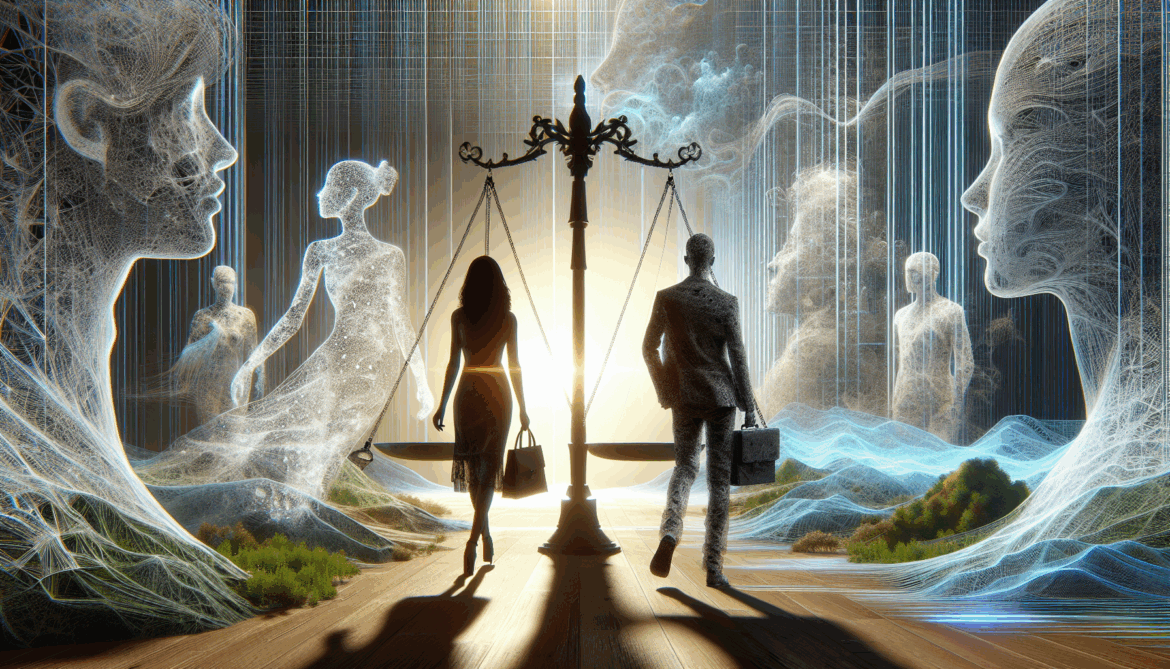
The question of whether AI influencers are real or fake is a complex one. On one hand, these digital entities are created by humans and lack the physical presence and experiences of their human counterparts. They are, in essence, a product of advanced technology and creative design.
However, AI influencers can still have a significant impact on their followers and the brands they work with. They can generate engagement, drive sales, and even influence public opinion. In this sense, their “realness” can be measured by their ability to connect with audiences and achieve tangible results.
Moreover, the line between real and fake is becoming increasingly blurred in the digital age. As technology continues to advance, the distinction between human and AI-generated content may become less relevant. What matters more to many followers and brands is the quality of the content and the value it provides.
The Implications for Digital Culture
The rise of AI influencers has far-reaching implications for our digital culture. For one, it raises questions about authenticity and trust in the content we consume. As AI-generated content becomes more sophisticated, it may become harder to discern what is real and what is not. This could lead to a greater need for transparency and disclosure from creators and brands.
Additionally, the emergence of AI influencers highlights the growing role of technology in shaping our social interactions and perceptions. As we increasingly engage with digital entities, we may need to reevaluate our understanding of what it means to be human and what constitutes a meaningful connection.
On the flip side, AI influencers also present opportunities for creativity and innovation. They allow creators to push the boundaries of what is possible in the digital space, opening up new avenues for storytelling and engagement. Brands, too, can leverage AI influencers to reach new audiences and experiment with novel marketing strategies.
The Future of AI Influencers
As AI technology continues to evolve, the future of AI influencers looks bright. We can expect to see even more lifelike and engaging digital entities, capable of interacting with followers in increasingly sophisticated ways. This could include real-time conversations, personalized content, and even the ability to adapt to changing trends and preferences.
However, the rise of AI influencers also raises important ethical questions. For instance, should there be regulations around the use of AI in influencer marketing? How can we ensure that followers are aware of the AI nature of these digital entities? And what responsibility do creators and brands have in maintaining transparency and trust?
Ultimately, the rise of AI-powered influencers is a testament to the transformative power of technology. As we navigate this new frontier, it’s crucial that we approach it with a critical eye and an open mind. By doing so, we can harness the potential of AI influencers while also addressing the challenges they present.
So, are AI influencers real or fake? The answer may lie somewhere in between. What’s clear is that they are here to stay, and their impact on our digital culture will only continue to grow. As we move forward, it’s up to us to shape the future of AI influencers and ensure that they contribute to a more authentic, engaging, and ethical digital landscape.