Understanding the Basics of a Sales Funnel
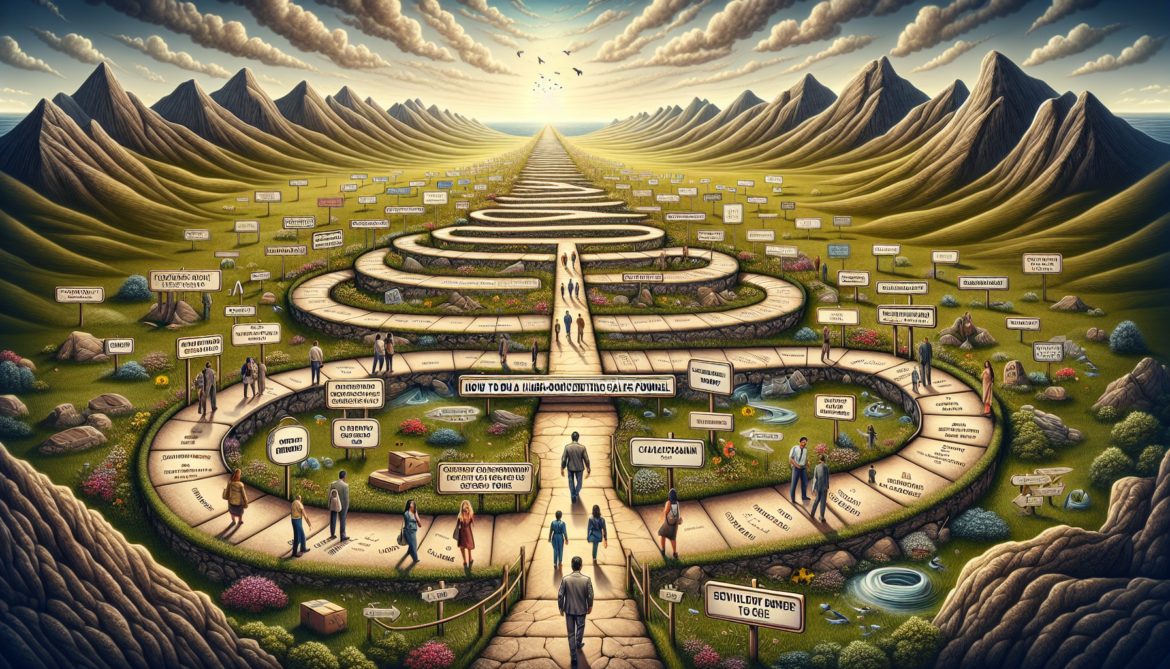
Imagine a sales funnel as a journey that your potential customers take, from the moment they first hear about your product or service to the point where they make a purchase. This journey can be broken down into several stages, each designed to nurture and guide the customer closer to conversion. The key to building a high-converting sales funnel lies in understanding these stages and optimizing them to maximize your conversion rates.
Stage 1: Awareness
The first stage of your sales funnel is all about creating awareness. This is where you introduce your brand to potential customers who may not know you exist. To effectively reach this stage, you’ll need to employ various marketing strategies such as social media advertising, content marketing, and search engine optimization (SEO).
Consider creating valuable, informative content that addresses your target audience’s pain points and interests. By providing solutions and insights, you’ll position yourself as an authority in your niche and attract potential customers to your funnel.
Stage 2: Interest
Once you’ve captured your audience’s attention, it’s time to nurture their interest. This stage involves providing more in-depth information about your product or service and showcasing its value. You can do this through email marketing, webinars, or even free trials.
Personalization is key at this stage. Tailor your messaging to your audience’s specific needs and preferences, and use targeted content to keep them engaged and moving forward in the funnel.
Stage 3: Consideration
At the consideration stage, your potential customers are actively evaluating your offering and comparing it to your competitors. To help them make an informed decision, provide detailed product information, customer testimonials, and case studies that showcase the benefits and results of using your product or service.
Offering a money-back guarantee or a free trial can also help alleviate any concerns and encourage potential customers to take the next step.
Stage 4: Conversion
The conversion stage is where the magic happens – your potential customers become paying customers. To optimize this stage, make the purchasing process as seamless and straightforward as possible. Use clear calls-to-action, provide multiple payment options, and ensure your checkout process is user-friendly and secure.
Consider offering limited-time discounts or bonuses to create a sense of urgency and encourage immediate action.
Stage 5: Retention
Building a high-converting sales funnel doesn’t end with the conversion. To maximize your customer lifetime value, focus on retaining your customers and turning them into loyal advocates for your brand.
Provide exceptional customer service, offer loyalty programs, and regularly engage with your customers through email marketing and social media. By keeping your customers happy and engaged, you’ll increase the likelihood of repeat purchases and referrals.
Optimizing Your Sales Funnel
To build a truly high-converting sales funnel, it’s essential to continually monitor and optimize your performance. Use analytics tools to track your funnel’s key metrics, such as conversion rates, average order value, and customer lifetime value.
Identify any bottlenecks or areas where potential customers are dropping off, and experiment with different strategies to improve your results. A/B testing can be particularly effective in optimizing your funnel, allowing you to compare different variations and determine which performs best.
Common Mistakes to Avoid
While building a high-converting sales funnel can be a game-changer for your business, there are some common pitfalls to watch out for. One of the biggest mistakes is neglecting to nurture your leads throughout the funnel. Remember, it’s not enough to simply attract potential customers – you need to guide them through each stage and provide value at every step.
Another common mistake is focusing too heavily on the conversion stage and neglecting the other stages of the funnel. While conversions are important, building a sustainable business requires a holistic approach that considers the entire customer journey.
Conclusion
Building a high-converting sales funnel is a crucial step in growing your business and maximizing your revenue. By understanding the different stages of the funnel and optimizing each one, you can create a seamless journey that guides potential customers from awareness to conversion and beyond.
Remember, building a successful sales funnel is an ongoing process that requires constant monitoring and optimization. By staying attuned to your audience’s needs and continually refining your approach, you’ll be well on your way to creating a high-converting sales funnel that drives sustainable growth for your business.