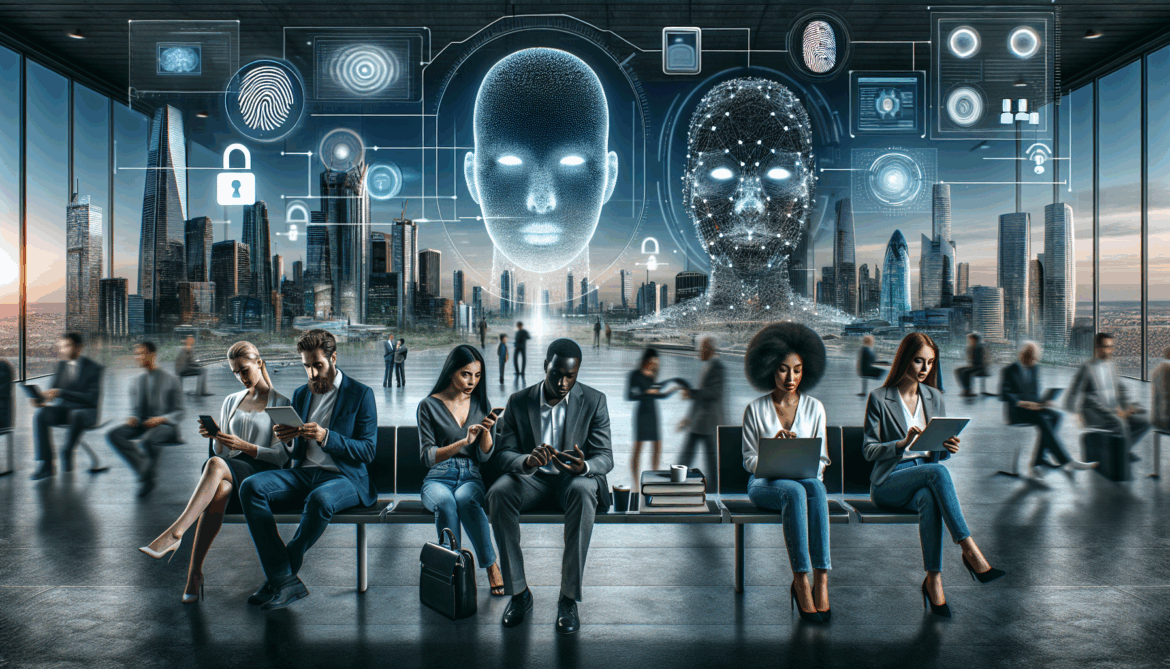
In our ever-evolving digital landscape, the concept of passwordless authentication is rapidly gaining traction. Gone are the days when we relied solely on complex passwords to safeguard our digital identities. Today, we stand on the brink of a revolution that promises enhanced security and user convenience. Let’s delve into what the future holds for passwordless authentication and how it could transform our online interactions.
The Rise of Passwordless Authentication
Passwordless authentication isn’t a new concept, but its adoption has accelerated in recent years. The traditional password system has long been criticized for its vulnerabilities, including susceptibility to phishing attacks and the human tendency to reuse passwords across multiple platforms. As a result, tech giants and security experts are pushing for more robust solutions.
One of the driving forces behind this shift is the increasing sophistication of cyber threats. Hackers have become adept at cracking passwords, making it imperative for users and organizations to adopt more secure methods of authentication. This is where passwordless authentication steps in, offering a variety of methods such as biometric verification, hardware tokens, and magic links.
Methods of Passwordless Authentication
Passwordless authentication encompasses several methods, each with its unique approach to securing user accounts. Let’s explore some of the most popular ones:
Biometric Authentication
Biometric authentication uses unique physical or behavioral characteristics to verify a user’s identity. This can include fingerprint scanning, facial recognition, and even voice recognition. The advantage here is that biometric data is incredibly difficult to replicate, making it a highly secure option. Devices like smartphones and laptops now commonly feature biometric sensors, making this method increasingly accessible to the average user.
Hardware Tokens
Hardware tokens, such as USB security keys, provide another layer of security. These physical devices generate a unique code that must be entered along with other authentication methods to access an account. They are particularly useful for organizations that need to secure access to sensitive data. The downside is that users must carry the token with them, which can be inconvenient.
Magic Links and One-Time Passcodes
Magic links and one-time passcodes (OTPs) are sent to a user’s registered email or phone number. These methods are convenient and easy to use, requiring no additional hardware. However, they rely on the security of the user’s email or phone, which can be a weak link if those accounts are compromised.
The Benefits of Going Passwordless
The shift to passwordless authentication offers several compelling benefits. First and foremost, it significantly enhances security. By eliminating passwords, we remove a common target for hackers. Biometric data, for instance, is much harder to steal and replicate than a password.
Additionally, passwordless authentication improves user experience. No longer do users need to remember complex passwords or reset them frequently. This can lead to higher user satisfaction and engagement, particularly for businesses that rely on user interaction.
From an organizational perspective, passwordless authentication can reduce IT support costs. Password resets and account lockouts are common issues that consume significant resources. By adopting passwordless methods, companies can streamline their support operations and focus on more critical tasks.
Challenges and Considerations
Despite its advantages, the transition to passwordless authentication is not without challenges. One major concern is privacy. Biometric data, while secure, is highly sensitive. Ensuring that this data is stored and used responsibly is crucial to maintaining user trust.
Another challenge is the need for widespread adoption. For passwordless authentication to be truly effective, it must be supported across all platforms and devices. This requires collaboration between tech companies and standardization of authentication protocols.
Moreover, not all users have access to the latest technology. Those with older devices may find it difficult to adopt new authentication methods, potentially leaving them vulnerable. Ensuring inclusivity in the rollout of passwordless authentication is essential to its success.
The Future Outlook
The future of passwordless authentication looks promising. As technology continues to advance, we can expect to see even more innovative solutions emerge. For instance, behavioral biometrics, which analyze patterns in user behavior such as typing speed and mouse movements, could become a standard method of authentication.
Additionally, the integration of artificial intelligence and machine learning could enhance the accuracy and efficiency of passwordless systems. AI could help detect anomalies in user behavior, flagging potential security breaches before they occur.
The push towards passwordless authentication is also being driven by regulatory changes. Governments and regulatory bodies are increasingly recognizing the need for stronger security measures. Compliance with these regulations could further accelerate the adoption of passwordless methods.
In conclusion, the future of passwordless authentication is bright. As we move towards a more secure and user-friendly digital world, the days of relying on passwords may soon be behind us. Embracing these new technologies will require collaboration, innovation, and a commitment to user privacy, but the rewards in terms of security and convenience are well worth the effort.