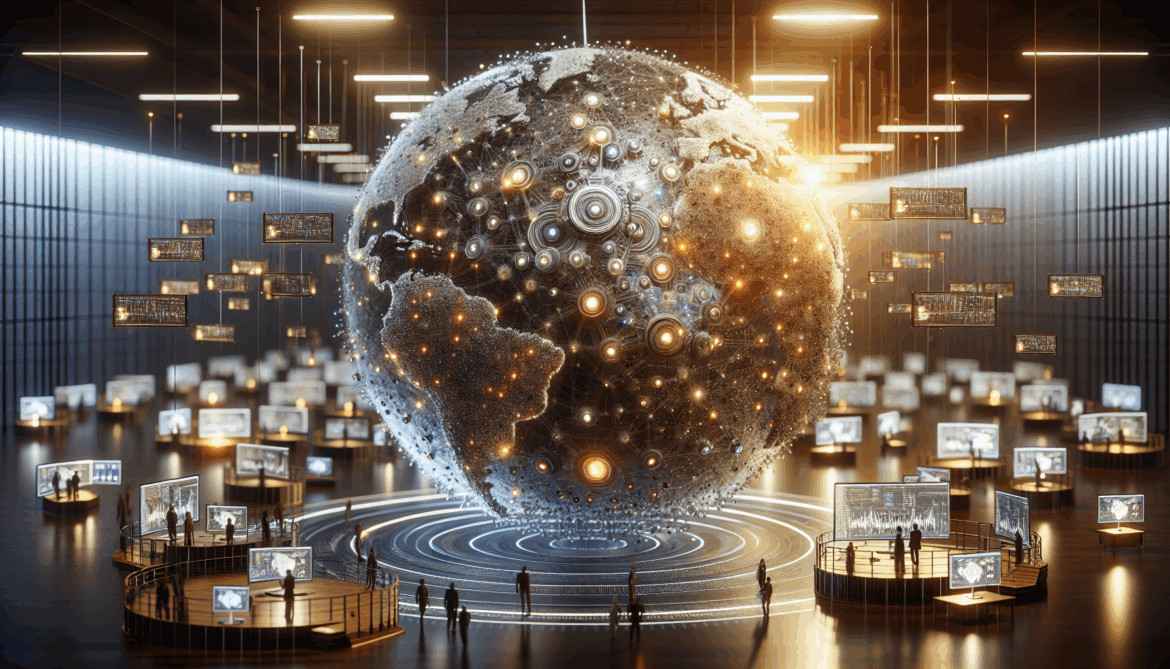
Imagine a world where search engine optimization (SEO) isn’t just a guessing game but a finely tuned science. With the rapid advancements in artificial intelligence (AI), we’re not far from turning that vision into reality. The future of AI-powered SEO optimization promises to revolutionize how we approach digital marketing, making it more efficient, precise, and impactful. Let’s delve into what this future might hold and how it could change the landscape of online content.
The Evolution of SEO and AI Integration
SEO has come a long way from the days of keyword stuffing and backlink spamming. Today, it’s about understanding user intent, creating quality content, and optimizing for a variety of search engine algorithms. AI’s integration into SEO has already begun, with tools like Google’s RankBrain helping to interpret the nuances of search queries. As AI continues to evolve, its role in SEO will become even more significant, offering unprecedented insights and automation capabilities.
AI’s Role in Enhancing Keyword Research
Keyword research is the cornerstone of any SEO strategy. Traditionally, this involved using tools to identify high-volume keywords and then manually sifting through data to find the most relevant ones. AI changes the game by analyzing vast amounts of data in real-time, predicting keyword trends, and even suggesting long-tail keywords that might have been overlooked. This means businesses can stay ahead of the curve, targeting keywords that are not only popular but also highly relevant to their audience.
Content Creation and Optimization
Content is king in the world of SEO, and AI is set to become the kingmaker. With natural language processing (NLP) and machine learning, AI can help create content that resonates with readers and ranks well on search engines. Tools can analyze existing content to suggest improvements, from readability to keyword density. Moreover, AI can generate content ideas based on trending topics and user interests, ensuring that your content strategy is always fresh and engaging.
Personalization and User Experience
One of the most exciting aspects of AI-powered SEO is its potential to personalize the user experience. By analyzing user behavior and search patterns, AI can tailor content to individual preferences, increasing engagement and conversion rates. For instance, if a user frequently searches for vegan recipes, an AI-powered website could prioritize vegan content or even suggest new vegan recipes based on their past interactions.
AI-Driven Predictive Analytics
Predictive analytics is another area where AI can significantly impact SEO. By analyzing historical data and current trends, AI can forecast future search patterns and user behaviors. This allows businesses to adjust their SEO strategies proactively, ensuring they’re always one step ahead. For example, if AI predicts a rise in interest for a particular topic, companies can create content around that topic before it becomes mainstream, gaining a competitive edge.
Automation and Efficiency
Automation is perhaps the most tangible benefit of AI in SEO. From automating routine tasks like link building and content auditing to managing entire SEO campaigns, AI can save countless hours of manual labor. This doesn’t mean human oversight becomes obsolete; rather, it frees up time for SEO professionals to focus on strategy and creativity, areas where human input remains irreplaceable.
Challenges and Ethical Considerations
While the future of AI-powered SEO is bright, it’s not without its challenges. One of the biggest concerns is the potential for AI to be used unethically, such as generating spam content or manipulating search results. Additionally, there’s the risk of over-reliance on AI, leading to a loss of human touch in content creation. It’s crucial for businesses to use AI responsibly, ensuring that their SEO practices remain ethical and focused on providing value to users.
The Future Landscape
Looking ahead, the integration of AI into SEO is set to create a more dynamic and responsive digital marketing environment. We can expect to see more sophisticated AI tools that not only optimize for search engines but also enhance the overall user experience. As AI technology continues to advance, it will become an indispensable tool for any business looking to thrive in the digital age.
In conclusion, the future of AI-powered SEO optimization holds immense potential. By leveraging AI’s capabilities in keyword research, content creation, personalization, and predictive analytics, businesses can achieve unparalleled efficiency and effectiveness in their SEO strategies. However, it’s essential to navigate this future with a keen eye on ethics and user value, ensuring that AI serves as a tool for enhancement rather than a means to an end.