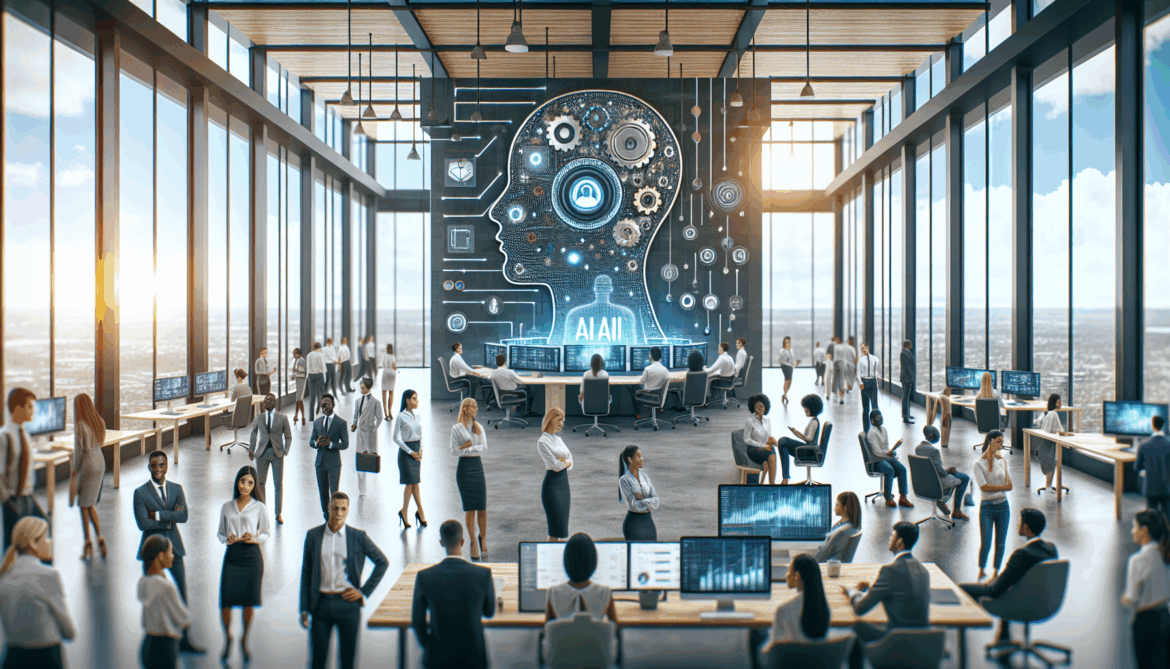
In the fast-paced world of human resources, AI has emerged as a game-changer, revolutionizing the way companies approach hiring and recruitment. From streamlining processes to enhancing decision-making, AI technologies are helping organizations find the right talent more efficiently than ever before. In this article, we’ll explore how companies are leveraging AI in HR, the benefits it brings, and what the future might hold for this exciting field.
The Role of AI in Recruitment
AI is transforming recruitment by automating many of the time-consuming tasks traditionally handled by HR professionals. One of the most common applications is in resume screening. AI-powered systems can quickly analyze thousands of resumes, identifying the most qualified candidates based on predefined criteria. This not only speeds up the hiring process but also helps reduce bias by focusing solely on relevant skills and experience.
Beyond resume screening, AI is being used to enhance candidate engagement. Chatbots, for example, are becoming increasingly popular for answering initial inquiries from applicants. These AI-driven tools can provide instant responses to common questions, freeing up HR staff to focus on more complex tasks. Additionally, AI can help in scheduling interviews by automatically finding suitable times that work for both the candidate and the hiring team.
AI-Powered Assessments and Interviews
Another area where AI is making a significant impact is in candidate assessments and interviews. AI systems can conduct initial screening interviews, using natural language processing to evaluate candidates’ responses. These systems can assess not only what candidates say but also how they say it, analyzing tone, confidence, and other verbal cues to gauge their fit for the role.
AI is also being used to create more sophisticated assessment tools. For instance, some companies use AI to design and administer skills tests that are tailored to the specific requirements of a job. These tests can be more accurate and less time-consuming than traditional methods, providing a clearer picture of a candidate’s abilities.
Improving Decision-Making with Data
One of the most powerful aspects of AI in HR is its ability to harness data for better decision-making. AI systems can analyze vast amounts of data from past hires to identify patterns and trends that can inform future recruitment strategies. For example, AI can help companies understand which sources of candidates are most effective or which skills are most predictive of success in a particular role.
This data-driven approach can also help in creating more diverse and inclusive hiring practices. By analyzing hiring data, AI can identify and mitigate biases that may exist in the recruitment process. This can lead to more equitable hiring decisions and a more diverse workforce.
Challenges and Considerations
While the benefits of AI in HR are clear, there are also challenges and considerations that companies must address. One of the main concerns is the potential for AI to perpetuate or even exacerbate existing biases if not properly managed. It’s crucial for companies to regularly audit their AI systems and ensure they are making fair and unbiased decisions.
Another challenge is the need for transparency. Candidates want to know how AI is being used in the hiring process and how it might affect their chances. Companies need to be clear about their use of AI and ensure that candidates feel comfortable with the technology.
Finally, there’s the issue of human oversight. While AI can automate many tasks, human judgment is still essential in making final hiring decisions. Companies need to strike the right balance between leveraging AI’s capabilities and maintaining human involvement in the process.
The Future of AI in HR
As AI technology continues to evolve, its role in HR is likely to grow even more significant. We can expect to see more advanced AI systems that can not only analyze data but also make more nuanced predictions about candidate fit and potential. Additionally, AI may play a larger role in onboarding and employee development, helping new hires get up to speed more quickly and identifying opportunities for growth and training.
However, as AI becomes more integrated into HR processes, it will be essential for companies to keep up with the latest developments and best practices. This includes staying informed about new AI tools and technologies, as well as understanding the ethical implications of using AI in hiring and recruitment.
In conclusion, AI is transforming the world of HR, offering exciting opportunities for companies to streamline their hiring processes and make better-informed decisions. While there are challenges to overcome, the potential benefits are immense. As AI continues to evolve, it will be fascinating to see how it shapes the future of recruitment and beyond.