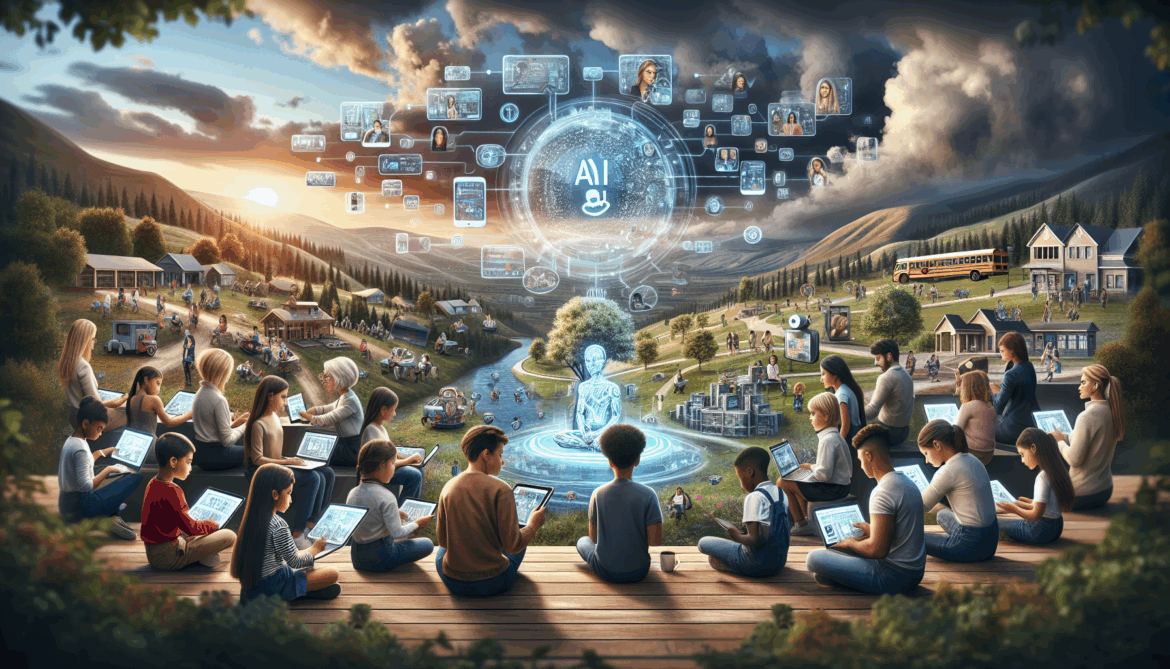
Introduction to Personalized Learning
Personalized learning is an educational approach that tailors teaching methods, content, and pace to the individual needs of each student. This method is gaining traction as educators recognize that one-size-fits-all teaching models do not effectively address the diverse needs of all learners. By leveraging technology, particularly artificial intelligence (AI), personalized learning is poised to revolutionize education, making it more efficient, engaging, and effective for students across the globe.
The Role of AI in Personalized Learning
AI’s integration into education is not a futuristic concept but a present reality that is shaping the future of personalized learning. AI systems can analyze vast amounts of data to identify each student’s learning style, strengths, and areas for improvement. This analysis enables the creation of customized learning paths that cater to individual needs, thereby enhancing the learning experience and outcomes.
For instance, AI algorithms can assess a student’s performance on various tasks and adjust the difficulty and type of future assignments accordingly. This dynamic adjustment ensures that students remain engaged and challenged, without being overwhelmed. Moreover, AI can provide instant feedback, which is crucial for continuous learning and improvement.
AI-Driven Adaptive Learning Systems
Adaptive learning systems powered by AI are at the forefront of personalized education. These systems use machine learning algorithms to adapt content and teaching strategies in real time based on a student’s interactions and performance. For example, if a student struggles with a particular concept, the system can present alternative explanations or additional practice problems to reinforce understanding.
One of the key benefits of AI-driven adaptive learning systems is their ability to scale personalized education. While human teachers can only attend to a limited number of students at a time, AI can provide individualized support to thousands of learners simultaneously, making personalized education more accessible and equitable.
Enhancing Student Engagement and Motivation
Engagement and motivation are critical factors in learning, and AI can significantly enhance these aspects. AI-powered educational platforms often incorporate gamification elements, such as points, badges, and leaderboards, to make learning more interactive and fun. These elements can motivate students to engage more deeply with the material and persist in their efforts to master new concepts.
Furthermore, AI can analyze patterns in a student’s engagement and use this information to tailor content that aligns with their interests. For instance, if a student shows a keen interest in space exploration, the AI system can integrate relevant examples and projects into their learning path, thereby increasing their motivation and engagement.
Data-Driven Insights for Educators
AI not only benefits students but also provides valuable insights for educators. By analyzing data on student performance and engagement, AI systems can help teachers identify trends, predict potential challenges, and intervene early to support struggling students. This data-driven approach enables educators to make informed decisions about curriculum design, teaching strategies, and resource allocation.
Additionally, AI can assist in automating administrative tasks, such as grading and record-keeping, freeing up more time for teachers to focus on what they do best: teaching and mentoring students. This automation can lead to a more efficient and effective educational system overall.
Challenges and Ethical Considerations
While the potential benefits of AI in personalized learning are immense, there are also challenges and ethical considerations that must be addressed. One major concern is data privacy. As AI systems collect and analyze vast amounts of data on students, ensuring the security and ethical use of this data is paramount.
Another challenge is the potential for AI to reinforce existing biases in education. If the algorithms are trained on biased data, they may perpetuate or even exacerbate inequalities. It is crucial for developers and educators to be aware of these risks and work to mitigate them through careful design and regular audits of AI systems.
The Future of AI in Personalized Learning
Looking ahead, the future of AI in personalized learning is bright and full of possibilities. As AI technology continues to evolve, we can expect even more sophisticated and effective personalized learning solutions. For example, advancements in natural language processing could enable more interactive and conversational learning experiences, making education more engaging and accessible.
Moreover, as AI becomes more integrated into educational systems worldwide, it has the potential to democratize education, providing high-quality, personalized learning experiences to students regardless of their geographic location or socioeconomic status. This democratization could lead to a more equitable and inclusive education system, empowering learners from all backgrounds to reach their full potential.
Conclusion
The integration of AI into personalized learning represents a transformative shift in education. By tailoring education to the individual needs of each student, AI has the potential to enhance learning outcomes, increase engagement, and make education more accessible and equitable. While there are challenges to overcome, the future of AI in personalized learning is promising, offering a glimpse into a more effective and inclusive educational landscape.